AI photo-to-report inspections
How to Automatically Create Structured Inspection Reports from Photos
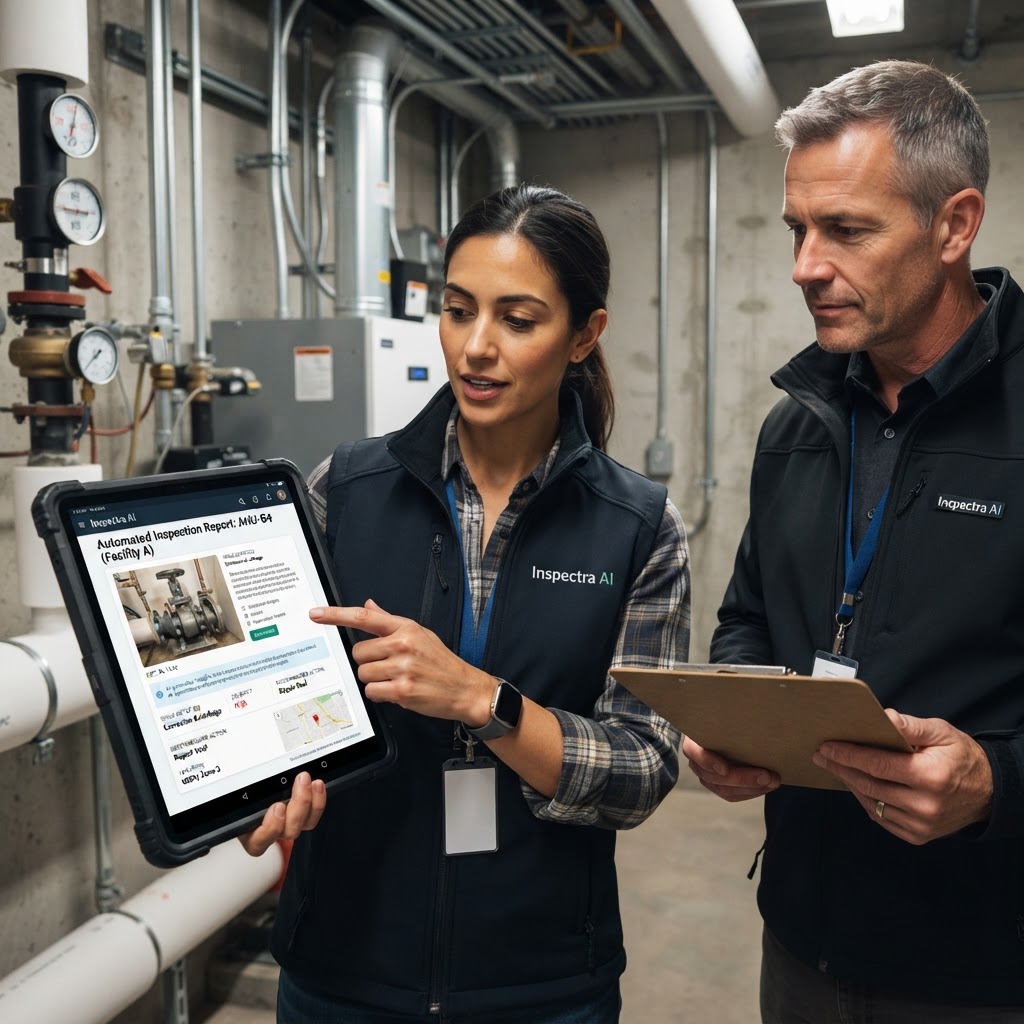
How to Automatically Create Structured Inspection Reports from Photos
In the demanding world of property inspections, construction, and facility management, efficiency and accuracy are paramount. Inspectors, builders, and property managers constantly face the challenge of documenting site conditions thoroughly and then translating those observations into clear, actionable reports. Traditionally, this process has been a time-consuming, manual endeavor, often leading to inconsistencies and delays. But what if there was a way to streamline this entire workflow, turning raw inspection photos into polished, structured reports automatically?
The good news is that advancements in artificial intelligence (AI) are revolutionizing how professionals approach inspection reporting. This article will guide you through the process of leveraging AI to automatically create structured inspection reports from photos, enhancing your productivity, accuracy, and professionalism.
The Challenge of Manual Inspection Reporting
For years, the standard practice involved taking numerous photos, then manually sifting through them, categorizing issues, typing out descriptions, and painstakingly assembling reports. This method, while functional, comes with significant drawbacks:
- Time-Consuming: Hours spent on data entry and report formatting could be better spent on site or with clients.
- Prone to Error: Manual transcription and data handling increase the risk of typos, omissions, or misinterpretations.
- Inconsistency: Different inspectors or even the same inspector on different days might produce reports with varying levels of detail or formatting.
- Lack of Standardization: Without a structured approach, comparing reports over time or across multiple properties becomes difficult.
- Delayed Delivery: The time taken to process reports can delay critical decisions or project progress.
These challenges highlight a clear need for a more efficient and reliable solution, especially for professionals who handle a high volume of inspections.
Why Structured Inspection Reports Are Essential
Structured inspection reports are more than just a collection of observations; they are vital tools for clear communication, accountability, and decision-making. Here's why they are indispensable:
- Clarity and Readability: Organized information is easier to understand, allowing stakeholders to quickly grasp key findings and recommendations.
- Consistency and Comparability: Standardized formats ensure that all necessary information is captured and presented uniformly, making it easy to compare current conditions with past inspections or industry benchmarks.
- Professionalism: A well-structured report reflects positively on the inspector or company, building trust and credibility.
- Legal and Compliance Requirements: Many industries have strict regulations regarding documentation. Structured reports help ensure all compliance needs are met.
- Actionability: Clear categorization of issues, severity levels, and recommended actions empowers clients and teams to take appropriate steps promptly.
Ultimately, a structured report transforms raw data into actionable insights, driving better outcomes for all parties involved.
Introducing AI: The Game-Changer for Photo-to-Report Inspections
Artificial intelligence is no longer a futuristic concept; it's a practical tool that is reshaping industries. For property inspectors, builders, and facility managers, AI offers a powerful solution to the manual reporting dilemma. By leveraging advanced algorithms, AI can analyze visual data from photos, identify key elements, and automatically generate comprehensive, structured reports.
How AI Transforms Photos into Actionable Data
The core of AI photo-to-report inspections lies in its ability to 'see' and 'understand' images much like a human, but with far greater speed and consistency. Here's a simplified breakdown of the process:
- Image Recognition: AI models are trained on vast datasets of inspection photos to recognize common objects, defects, and conditions (e.g., a cracked wall, a leaky pipe, a damaged roof tile).
- Data Extraction: Once objects or issues are identified, the AI extracts relevant data, such as the type of defect, its location, severity, and potentially even measurements.
- Contextual Analysis: Advanced AI can understand the context of the image, associating defects with specific areas of a property (e.g., 'kitchen ceiling leak' vs. just 'leak').
- Natural Language Generation: Based on the extracted data, the AI can then generate descriptive text, categorizations, and recommendations, forming the narrative of the report.
Key AI Capabilities for Structured Reporting
Modern AI inspection platforms offer a suite of features designed to automate and enhance report generation:
- Automated Defect Identification: AI can pinpoint issues like cracks, mold, water damage, structural faults, and more directly from photos.
- Categorization and Tagging: Photos and identified issues are automatically categorized (e.g., electrical, plumbing, HVAC, structural) and tagged for easy searching and filtering.
- Severity Assessment: Some AI tools can even suggest the severity of a defect based on visual cues, helping prioritize repairs.
- Location Mapping: Integrating with GPS data or floor plans, AI can automatically map issues to their precise locations within a property.
- Customizable Templates: Users can often define their own report templates, ensuring the AI-generated output matches their specific branding and reporting standards.
- Data Integration: AI platforms can integrate with other business tools, allowing seamless data flow and reducing manual data entry across systems.
Step-by-Step: Automating Your Inspection Reports with AI
Adopting an AI-powered workflow for structured inspection reports is surprisingly straightforward. Here's a general guide on how to implement this transformative technology:
1. Capture Comprehensive Photos
The foundation of any good report, AI-powered or not, is high-quality visual documentation. Take clear, well-lit photos of all relevant areas, including both overall views and close-ups of any identified issues. Ensure photos are taken from multiple angles to provide comprehensive context.
2. Upload to an AI Inspection Platform
Once your photos are captured, the next step is to upload them to an AI inspection app like Inspectra AI. Most platforms offer easy upload options, often directly from your mobile device or through a web interface. The platform will then begin processing your images.
3. AI Processes and Structures Data
This is where the magic happens. The AI engine analyzes each photo, identifying objects, conditions, and potential defects. It automatically extracts relevant data points, categorizes issues, and begins to populate a structured report framework based on its analysis and your predefined templates.
4. Review and Customize (If Needed)
While AI is incredibly accurate, human oversight remains valuable. Review the AI-generated draft report to ensure everything is correctly identified and described. This is your opportunity to add any nuanced observations, specific recommendations, or client-specific details that the AI might not have captured. Most platforms provide an intuitive interface for quick edits and additions.
5. Generate and Share Your Professional Report
Once you're satisfied with the content, the AI platform will compile all the data, photos, and descriptions into a professional, structured report. You can then typically export it in various formats (e.g., PDF) and share it directly with clients, contractors, or stakeholders. The entire process, from photo upload to report generation, can take minutes instead of hours.
Benefits of AI Photo-to-Report Inspections
The adoption of AI photo-to-report inspections brings a multitude of advantages for property inspectors, builders, and facility managers:
- Massive Time Savings: Significantly reduce the hours spent on manual reporting, freeing up time for more inspections or client engagement.
- Enhanced Accuracy: Minimize human error in data entry and ensure consistent identification and description of issues.
- Improved Consistency: Generate standardized reports every time, regardless of who conducts the inspection.
- Increased Professionalism: Deliver polished, comprehensive, and easy-to-understand reports that impress clients.
- Faster Turnaround Times: Provide reports to clients much quicker, accelerating decision-making and project timelines.
- Better Data Management: Centralize inspection data, making it easier to track trends, manage assets, and comply with regulations.
- Cost Efficiency: Reduce operational costs associated with manual labor and potential rework due to reporting errors.
By embracing AI, you're not just automating a task; you're elevating your entire inspection process.
Choosing the Right AI Inspection Solution
When selecting an AI inspection app, consider the following factors to ensure it meets your specific needs:
- Ease of Use: The platform should be intuitive for both field use and report generation.
- Accuracy: Look for a solution with robust AI models that deliver high accuracy in defect identification and data extraction.
- Customization: Ensure you can tailor report templates, add custom fields, and adapt the output to your brand and client requirements.
- Integration Capabilities: Check if the platform integrates with other tools you use, such as CRM, project management software, or property management systems.
- Scalability: The solution should be able to handle your current workload and grow with your business.
- Support and Training: Reliable customer support and training resources are crucial for a smooth transition.
For professionals seeking a powerful and user-friendly solution, Inspectra AI stands out as an AI inspection app designed to turn site photos into professional, structured inspection reports automatically. It caters specifically to the needs of property inspectors, builders, and facility managers, offering a seamless experience from photo capture to report delivery.
Start Automating Your Reports Today
The era of tedious, manual inspection reporting is coming to an end. With AI photo-to-report inspections, you can transform your workflow, deliver superior reports, and focus more on what you do best. The ability to automatically create structured inspection reports from photos is no longer a luxury but a strategic advantage for any professional in the property and construction sectors.
Ready to experience the future of inspections? Take the first step towards greater efficiency and professionalism. Visit Inspectra AI to learn more and see how AI can revolutionize your reporting process.
Frequently Asked Questions
What is an AI photo-to-report inspection?
An AI photo-to-report inspection is a process where artificial intelligence analyzes photos taken during an inspection to automatically extract relevant data, identify issues, and compile it into a structured, professional report. This significantly reduces the manual effort traditionally required.
How accurate are AI-generated inspection reports?
Modern AI inspection tools are highly accurate, leveraging advanced computer vision and machine learning to identify details and patterns. While AI handles the heavy lifting of data extraction and initial report generation, human review remains a crucial step for final verification, adding nuanced observations, and ensuring the report meets specific client or regulatory needs.
Can AI inspection reports be customized?
Yes, leading AI inspection platforms like Inspectra AI allow for significant customization. Users can often define their own report templates, add specific notes, include custom fields, and tailor the output to meet unique client requirements, branding guidelines, or industry-specific compliance standards. This ensures the automated reports are both efficient and highly personalized.
Frequently Asked Questions
What is an AI photo-to-report inspection?
It's a process where artificial intelligence analyzes photos taken during an inspection to automatically extract relevant data, identify issues, and compile it into a structured, professional report.
How accurate are AI-generated inspection reports?
Modern AI inspection tools are highly accurate, leveraging advanced computer vision and machine learning to identify details. While AI handles the heavy lifting, human review remains a crucial step for final verification and nuanced observations.
Can AI inspection reports be customized?
Yes, leading AI inspection platforms allow for significant customization. Users can often define report templates, add specific notes, and tailor the output to meet client or regulatory requirements.
Ready to try Inspectra AI?
AI photo-to-report inspections
Start Free Trial