AI photo-to-report inspections
Automated Property Condition Reports: A Practical Guide for Facility Managers
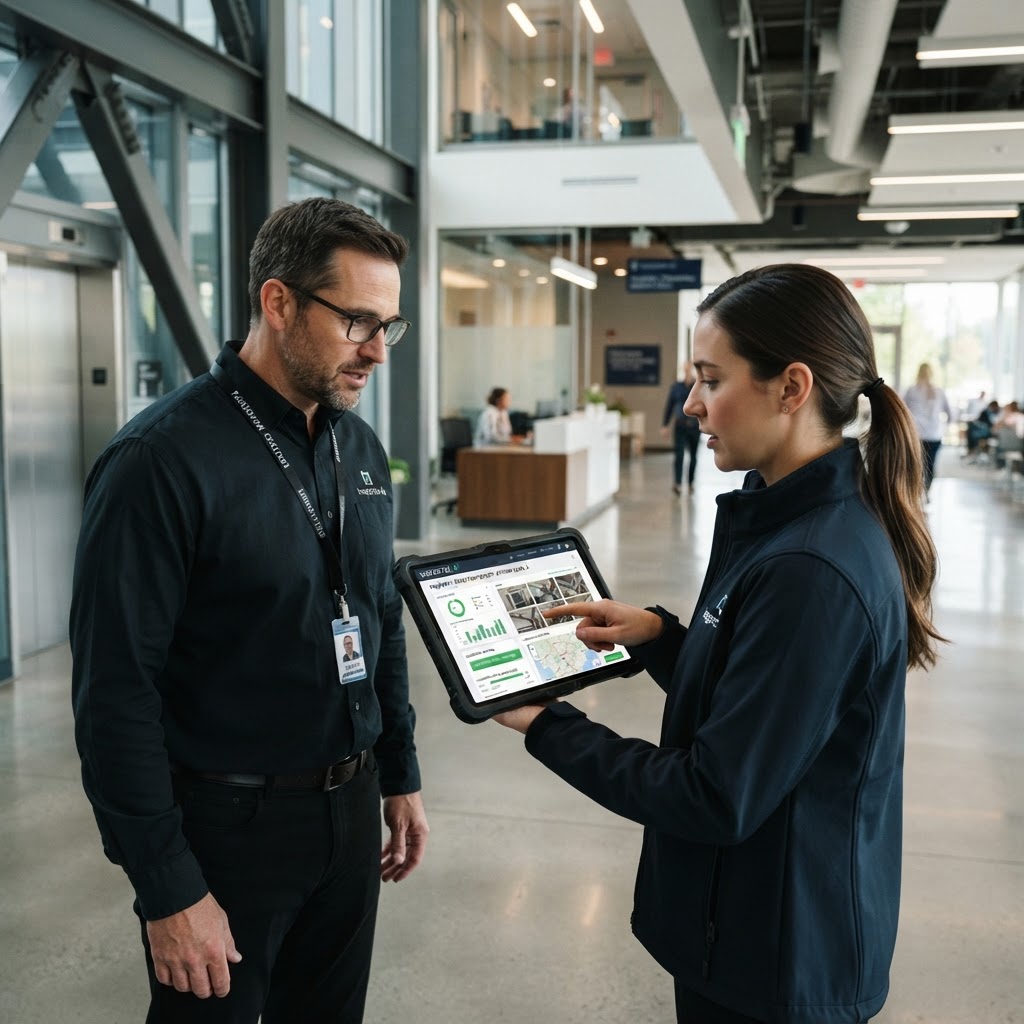
Automated Property Condition Reports: A Practical Guide for Facility Managers
In the demanding world of facility management, efficiency and accuracy are paramount. Facility managers are constantly seeking innovative ways to maintain properties, ensure compliance, and optimize operational costs. One area ripe for transformation is property condition reporting (PCRs), a critical process that traditionally consumes significant time and resources. This guide explores how automated property condition reports, powered by artificial intelligence, are revolutionizing facility management, offering a practical roadmap for implementation and maximizing their impact.
The Evolving Landscape of Property Condition Reporting
Property condition reports are comprehensive documents that detail the current state of a building or asset. They are essential for a multitude of purposes, including:
- Lease agreements: Documenting property condition at lease commencement and termination.
- Preventative maintenance planning: Identifying areas requiring attention before they become major issues.
- Capital expenditure planning: Informing decisions on major repairs or renovations.
- Insurance claims: Providing objective evidence of damage or pre-existing conditions.
- Regulatory compliance: Ensuring properties meet safety and operational standards.
Historically, creating these reports has been a labor-intensive process. Inspectors would manually document findings, take countless photos, and then spend hours or even days compiling this information into a coherent, professional report. This manual approach is prone to inconsistencies, delays, and human error, making it a bottleneck in efficient facility operations.
Why Automation is Essential for Modern Facility Management
Manual property condition reporting, while foundational, presents several significant challenges for facility managers:
- Time Consumption: The entire process, from inspection to report generation, can be incredibly time-consuming, diverting valuable resources from other critical tasks.
- Inconsistency and Subjectivity: Different inspectors may document issues differently, leading to varied report quality and potential disputes.
- Data Entry Errors: Manual transcription of notes and photo organization increases the likelihood of mistakes.
- Delayed Reporting: The time lag between inspection and report delivery can delay critical maintenance decisions or lease actions.
- Scalability Issues: Managing reports for a large portfolio of properties becomes exponentially more complex and costly with manual methods.
Automation directly addresses these pain points, offering a path to greater efficiency, accuracy, and standardization across all property inspections. By leveraging technology, facility managers can transform a reactive, cumbersome process into a proactive, streamlined operation.
Key Benefits of Automated Property Condition Reports
Embracing automation for property condition reports yields a multitude of benefits that directly impact a facility manager's bottom line and operational effectiveness:
- Significant Time Savings: Automation drastically cuts down the time spent on data entry, photo organization, and report generation. Inspectors can focus more on the actual inspection and less on administrative tasks.
- Enhanced Accuracy and Consistency: Automated systems enforce standardized data collection, reducing human error and ensuring every report follows a consistent format and level of detail.
- Faster Report Delivery: Reports can be generated almost immediately after an inspection is completed, accelerating decision-making for maintenance, repairs, or tenant communications.
- Improved Data Quality and Analysis: Structured data from automated reports is easier to analyze, allowing facility managers to identify trends, predict maintenance needs, and optimize asset lifecycles.
- Cost Reduction: By streamlining workflows and reducing manual labor, automation leads to tangible cost savings in operational expenses.
- Better Compliance and Audit Trails: Automated systems provide clear, timestamped records of inspections, making it easier to demonstrate compliance and provide robust audit trails.
- Professional, Branded Reports: Automated solutions often produce polished, professional-looking reports that reflect well on the organization.
How AI Transforms Property Condition Reporting
The true game-changer in automated property condition reporting is Artificial Intelligence. AI moves beyond simple digital forms, bringing intelligence to the data itself. Specifically, AI photo-to-report inspections are revolutionizing how facility managers approach their work.
AI's capabilities in this domain include:
- Automated Photo Analysis: AI can analyze inspection photos to identify specific defects, damage, or conditions (e.g., cracks in walls, water stains, worn flooring). This eliminates the need for manual description writing for every issue.
- Intelligent Categorization: Once identified, AI can automatically categorize issues (e.g., 'structural,' 'cosmetic,' 'plumbing') and assign severity levels, ensuring consistency and facilitating prioritization.
- Automated Report Generation: Based on photo analysis and any supplementary data, AI can draft detailed, structured narratives for each identified issue, compiling them into a comprehensive report with minimal human intervention.
- Predictive Insights: Over time, with enough data, AI can even begin to identify patterns and predict potential future issues, moving facility management towards a truly proactive model.
This level of automation transforms raw inspection data into actionable intelligence, allowing facility managers to make informed decisions faster and with greater confidence.
Choosing the Right AI-Powered Solution for Your Needs
When considering an AI-powered solution for automated property condition reports, facility managers should look for several key features to ensure it meets their specific operational requirements:
- Intuitive User Interface: The app or software should be easy for inspectors to use in the field, minimizing training time and maximizing adoption.
- Robust AI Capabilities: Evaluate the AI's ability to accurately identify and describe various property conditions from photos. Look for systems that can learn and adapt.
- Customizable Templates: The ability to tailor report templates to specific property types, inspection requirements, and branding is crucial.
- Offline Functionality: Inspectors often work in areas with limited connectivity, so offline data capture and syncing are essential.
- Integration Capabilities: The solution should ideally integrate with existing facility management software, CMMS, or asset management systems to create a seamless workflow.
- Data Security and Compliance: Ensure the platform adheres to data privacy regulations and offers robust security features.
- Scalability: The solution should be able to grow with your property portfolio, whether you manage a few buildings or hundreds.
For facility managers seeking a cutting-edge solution, Inspectra AI offers AI photo-to-report inspections that turn site photos into professional, structured inspection reports automatically. This AI inspection app is specifically designed to streamline the reporting process for inspectors, builders, and property managers, making it an ideal choice for modern facility operations.
Implementing Automated PCRs: A Step-by-Step Approach
Implementing an automated property condition reporting system doesn't have to be daunting. A structured approach ensures a smooth transition and maximum benefit:
- Assess Current Needs and Define Goals: Start by evaluating your current PCR process. Identify pain points, desired outcomes (e.g., reduce report time by 50%, improve accuracy), and key stakeholders.
- Research and Select a Solution: Based on your needs, research available AI inspection apps and software. Consider factors like features, ease of use, integration capabilities, and vendor support. Solutions like Inspectra AI are built for this specific purpose.
- Pilot Program: Begin with a small-scale pilot. Select a few properties or a specific team to test the new system. This allows for fine-tuning and gathering feedback before a full rollout.
- Staff Training: Provide comprehensive training to all inspectors and administrative staff who will be using the new system. Emphasize the benefits and address any concerns.
- Integrate with Existing Systems: If applicable, integrate the automated PCR system with your existing facility management software or CMMS to ensure seamless data flow.
- Full Rollout and Ongoing Optimization: Once the pilot is successful, roll out the system across your entire operation. Continuously monitor performance, gather feedback, and make adjustments to optimize the process.
Maximizing the Impact of Your Automated Reporting System
Simply implementing an automated system isn't enough; maximizing its impact requires strategic utilization and continuous improvement:
- Standardize Inspection Protocols: Even with automation, clear inspection guidelines ensure consistency in photo capture and data input, feeding the AI with better information.
- Leverage Data Analytics: Use the structured data generated by automated reports to identify recurring issues, track asset performance, and inform preventative maintenance schedules.
- Regular Software Updates: Stay current with software updates to benefit from new features, improved AI algorithms, and enhanced security.
- Feedback Loop: Encourage inspectors and facility managers to provide feedback on the system's performance, helping to refine and improve the process over time.
- Integrate with Work Order Management: Automatically generate work orders directly from identified issues in PCRs, streamlining the repair process.
The Future of Facility Management with AI
Automated property condition reports, especially those powered by AI, are not just a trend; they are becoming a fundamental component of modern facility management. As AI technology continues to advance, we can expect even more sophisticated capabilities, such as predictive maintenance based on visual data, real-time anomaly detection, and even autonomous inspection tools.
For facility managers, embracing these technologies means moving beyond reactive problem-solving to a proactive, data-driven approach that optimizes operations, extends asset lifecycles, and ultimately creates safer, more efficient properties. The journey towards fully automated and intelligent facility management starts with tools that transform how you see and manage your properties.
Ready to experience the power of AI photo-to-report inspections? Explore how Inspectra AI can transform your property condition reporting and streamline your facility management operations.
Frequently Asked Questions
What is an automated property condition report?
An automated property condition report is a document detailing the state of a property, generated with minimal manual input through software and AI. It typically converts site photos and other data into professional, structured text reports, significantly reducing the time and effort traditionally required for manual compilation.
How does AI specifically benefit facility managers in creating PCRs?
AI enhances PCRs by automatically analyzing inspection photos to identify defects, categorize issues (e.g., structural, cosmetic), and generate detailed descriptions. This capability drastically reduces manual data entry, ensures consistency across reports, and accelerates the entire report generation process, allowing facility managers to make quicker, more informed decisions.
What are the typical steps to implement an automated PCR system?
Implementing an automated PCR system usually involves several key steps: first, assessing your current reporting needs and defining clear goals; second, selecting an appropriate AI-powered solution like Inspectra AI; third, conducting a pilot program to test and refine the system; fourth, providing comprehensive staff training; and finally, integrating the system with existing facility management tools for a seamless workflow before a full organizational rollout.
Ready to try Inspectra AI?
AI photo-to-report inspections
Start Free Trial